Safe Sleep Isn't Just About the Cot
Safe Sleep Isn’t Just About the Cot
You probably already know the safe sleep guidelines
Look, I get it. Your parents probably didn’t follow the safe sleep guidelines and you’re still here to tell the tale…
Honestly, I don’t even know how I am. I was premature, came home from hospital and was put straight into my own room with the door shut until morning.
But we know better now.
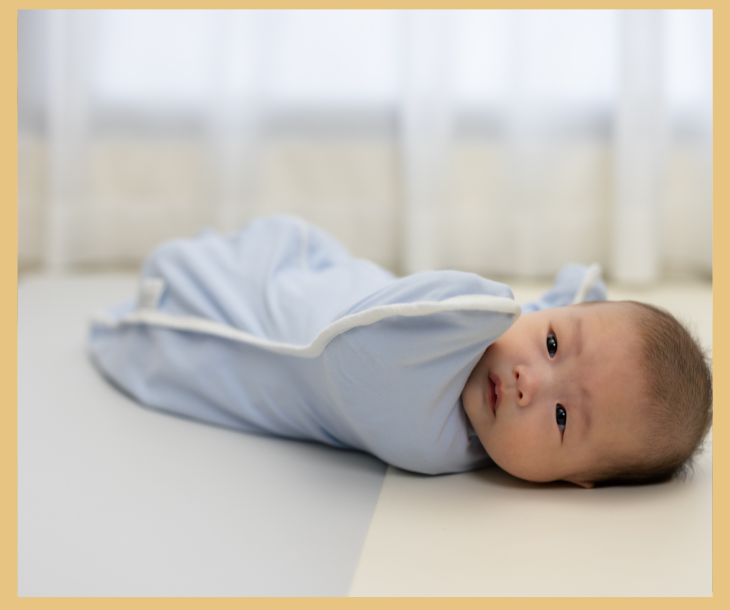
There are babies here today because of the work organisations like the The Lullaby Trust have done to help parents understand how to keep babies safe while they sleep.
During Safe Sleep Week we often see the same guidance shared about cot safety and sleep position and those messages are incredibly important.
In this digital world, it can be incredibly confusing to know what is and isn’t safe. Surely companies wouldn’t sell something unsafe for babies… right?
Wrong.
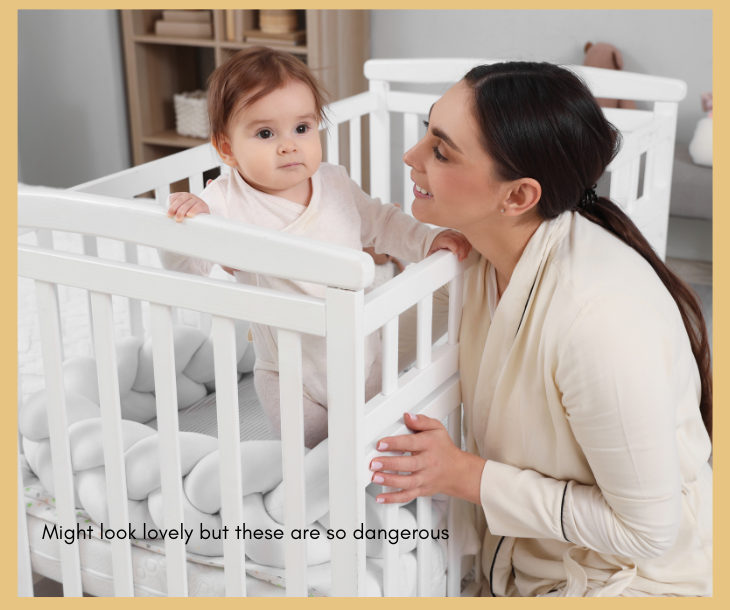
Unfortunately, many products that look beautiful in a nursery - things like cot bumpers, baby nests, and baby pillows - are not considered safe for sleep.
But chances are you already know most of the safe sleep guidelines.
So instead of going through the safer sleep guidance in detail, here’s a quick refresher of some of the key advice recommended by organisations like the The Lullaby Trust:
Quick safer sleep reminder
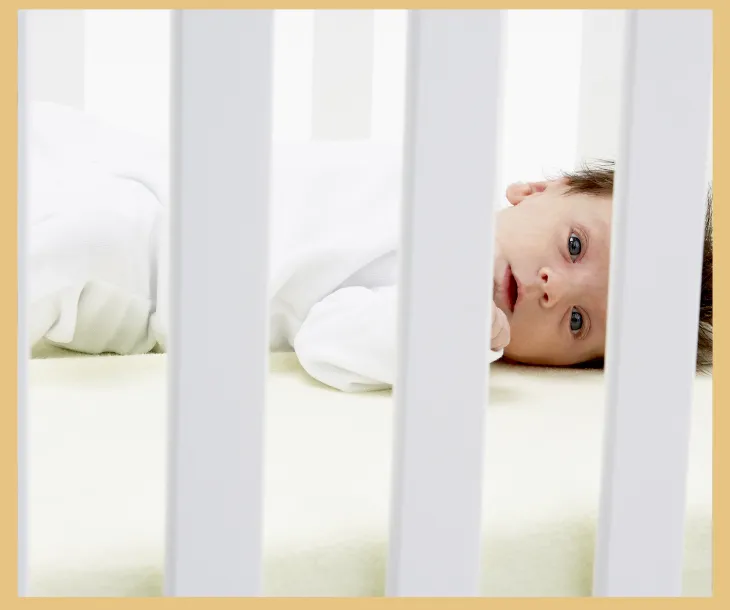
Always place your baby on their back to sleep, with their feet to the bottom of the cot
Keep the sleep space clear with no pillows, bumpers or loose bedding
Use a firm, flat mattress
Share a room with your baby for at least the first six months for all sleep
Avoid overheating - the ideal bedroom temperature is between 16-20C
These guidelines significantly reduce the risk of sudden infant death.
But safe sleep is about more than the cot environment alone. Parents’ wellbeing and sleep deprivation also play a role in keeping the whole family safe… something we don’t talk about nearly enough.
The part of safe sleep we don’t talk about enough: exhausted parents
As parents we expect to be tired. That’s part of the deal.
But when you’re running on very little sleep for weeks or months, that goes far beyond “a bit tired”.
It can create risks that many parents don’t even realise.
Driving while exhausted
This is something I will shout about all the time because the statistics are frightening.
Research suggests that around 1 in 5 road accidents in the UK may be linked to tiredness. The scary part is, being awake for around 17-19 hours can impair you to a similar level as being over the drink-drive limit.
Most of us would never consider getting behind the wheel after drinking, especially with our baby in the car.
But many parents drive while severely sleep deprived without thinking twice.
When you’re extremely tired your concentration drops, your reactions slow down and you may even experience brief “micro-sleeps” without realising.
When sleep deprivation slows your reactions
Sleep deprivation doesn’t just affect you when you’re driving.
When you’re exhausted, your brain processes things more slowly and your reactions are delayed.
That might mean reacting later when your toddler climbs somewhere they shouldn’t, or when your baby rolls unexpectedly near the edge of a bed.
When your brain and body are running on very little sleep, everything simply takes a little longer.
Falling asleep while feeding or holding your baby
This is something many parents experience but few people talk about openly.
I’ve absolutely been there - feeding my daughter in the middle of the night and suddenly waking up because she moved.
It terrified me - I must have inadvertently drifted off. She could easily have slipped from my arms.
When you are extremely tired, falling asleep while feeding or holding your baby can happen very easily.
One simple way to reduce risks during night feeds is to prepare your bed just in case you do fall asleep and baby falls.
For example:
position yourself safely in the middle of the bed
move pillows and bedding away from the space either side of you
The The Lullaby Trust has excellent guidance on safer co-sleeping setups if you want to read more.
Another scary statistic for you...The Lullaby Trust states that the risk of SIDS is up to 50 times higher when a parent falls asleep with a baby on a sofa or armchair. This is why they strongly advise never sleeping with a baby on a sofa or armchair.
Sleep deprivation and your mental health
Sleep deprivation doesn’t just affect your body.
It can increase anxiety, lower your mood, and make everything feel heavier and harder than it normally would.
For me, it showed up as frustration.
I would snap at people who offered help because somewhere in my mind I believed I should be coping. I couldn’t understand why everyone else seemed to manage when I felt like I was barely holding things together.
This is something I talk about a lot because sleep deprivation and mental health are deeply connected.
We need sleep just as much as we need air to breathe. Yet when you become a parent, sleep suddenly gets treated like a luxury instead of a basic human need.
Safe sleep is about the whole family
Safe sleep guidelines are incredibly important. They reduce the risk of sudden infant death and help protect babies while they sleep.
But safe sleep is also about the bigger picture.
It’s about supporting parents so that exhaustion doesn’t start creating risks in everyday life too - when parents are supported and getting more rest, the whole family is safer.
A final summer safety reminder
As we move into warmer months, another risk that often gets overlooked is babies falling asleep in the sun.
Not only is there the risk of sunburn, but covering a buggy with blankets or muslins can cause heat to build up very quickly.
A safer option is to use a tested product designed for this purpose, such as a SnoozeShade (affiliate link - 10% off).
If you’re struggling with sleep
If broken nights are starting to take their toll, you don’t have to simply push through.
Support can make a huge difference - not just to your child’s sleep, but to how you feel day to day.
You can find out about the ways I support families here.